Margonda: The Handwritten Font That Elevates Your Brand
As a small business owner, you know that every detail counts. From the sticker on your product packaging to the headline on your website, each element tells your customers who you are. In a crowded marketplace, standing out isn't just about having a great product; it is about presenting it in a way that feels authentic and professional. This is where Margonda comes in. As a versatile handwritten script font, it offers the perfect blend of personality and polish for entrepreneurs looking to refine their brand identity.
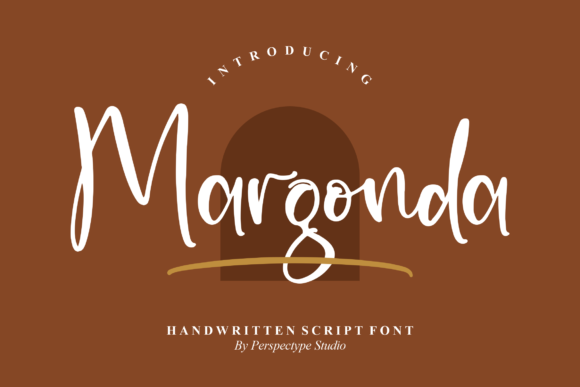
When I first started my boutique, I struggled to find a typeface that didn't look too corporate or too messy. I needed something that felt human but still commanded respect. Margonda fits that gap perfectly. It is a script font designed with the fluidity of natural handwriting but structured enough to remain legible across various mediums. Whether you are designing a logo for a new café, creating labels for handmade candles, or drafting social media graphics, this typeface adds a layer of warmth that standard fonts simply cannot match.
Building Trust Through Consistent Visuals
Consistency is the backbone of trust. When a customer sees your brand on Instagram, then visits your website, and finally receives your product in the mail, the experience should feel seamless. Using a distinct handwritten font like Margonda across all these touchpoints helps cement your brand in their memory. It signals that you care about the details, which subconsciously tells the customer that you care about quality too.
Imagine running a coaching business. Your materials need to feel approachable yet authoritative. Margonda works beautifully as a display font for headlines on your landing pages or as an accent on your business cards. Its elegant strokes suggest sophistication without being intimidating. For a bakery or a florist, the same font conveys craftsmanship and care, making your offerings feel artisanal and special. By sticking to one primary typeface for your branding elements, you create a recognizable visual language that customers begin to associate with reliability.
Practical Applications for Real-World Business Materials
The true test of any creative font is how well it performs in the real world. Margonda shines because it is adaptable. Here is how you can integrate it into your daily operations:
- Product Packaging: Use Margonda for product names on labels. Its clear letterforms ensure readability even on smaller jars or boxes, making it ideal for beauty products or gourmet foods.
- Social Media Graphics: Stop scrolling posts often rely on strong typography. Use this font for quotes, announcement headers, or story highlights to make your content pop against clean backgrounds.
- Thank-You Cards: Nothing builds loyalty like a personal touch. Printing your thank-you notes in Margonda makes them feel genuinely handwritten, adding emotional value to every order.
- Merchandise: If you sell t-shirts, mugs, or tote bags, this font translates well onto fabric and ceramics, turning simple items into branded assets.
- Menus and Flyers: For service providers and café owners, using Margonda for section headers or special offers draws the eye immediately without cluttering the design.
The key is knowing when to use it. Margonda is best utilized as a headline or logo font rather than for long blocks of body text. While it is highly readable for short phrases, pairing it with a clean sans serif font for descriptions ensures maximum clarity, especially on mobile screens or printed menus where space is limited.
Pairing Margonda for Maximum Impact
A common mistake many entrepreneurs make is using too many decorative fonts at once. To keep your brand identity sharp, treat Margonda as the star of the show and support it with neutral partners. A classic combination involves pairing this expressive script with a geometric sans serif font. This contrast creates a modern look that feels balanced and easy to read.
Alternatively, if your brand leans towards tradition or luxury, try pairing Margonda with a refined serif font. This combination works exceptionally well for wedding planners, high-end consultants, or boutique hotels. The serif adds a layer of formality that grounds the whimsical nature of the script. Remember, good font pairing is about hierarchy; let Margonda handle the emotions and the supporting font handle the information.
Testing Before You Commit
Before rolling out a new typeface across your entire ecosystem, testing is crucial. Print your logo in Margonda on different paper stocks to see how the ink settles. View your website banners on both desktop and mobile devices to ensure the strokes don't blur or become illegible at smaller sizes. Check how it looks on dark versus light backgrounds. A font might look stunning on your design software but lose its charm when shrunk down for an Instagram profile picture or a product tag.
Take the time to mock up your designs in real-world scenarios. Create a fake label for your best-selling item or draft a sample email header. Seeing the font in context will help you decide if it truly aligns with your target audience. If you sell rugged outdoor gear, a delicate script might not resonate. However, for lifestyle brands, wellness products, and creative services, Margonda often hits the sweet spot between friendly and professional.
Licensing and Commercial Use
Finally, a critical reminder for all business owners: always check the licensing terms before using any commercial font in your projects. Fonts are intellectual property, and using them on products you sell, such as packaging, merchandise, or client templates, usually requires a specific commercial license. Ensure you have the right permissions to use Margonda for your intended purposes to avoid legal issues down the road. Investing in the proper license protects your business and supports the creators behind these essential design assets.
In the end, choosing the right typeface is an investment in your business's future. Margonda offers a unique opportunity to infuse your brand with character while maintaining the professionalism required to grow. By using it strategically across your logos, packaging, and digital presence, you create a cohesive narrative that invites customers in and keeps them coming back.