Narrative Font Review: A Stylish Script for Modern Branding
There is a specific kind of silence that happens when you open a blank brand board for a new client. You have the mood images pinned, the color palette selected, but the typography is still missing. That was exactly where I found myself last Tuesday while working on a visual refresh for a local boutique skincare line. The client wanted something that felt handcrafted and intimate but still held enough weight to sit confidently on premium packaging. After cycling through a dozen generic handwritten options that felt either too messy or too rigid, I loaded up Narrative. Within minutes, the entire direction of the project shifted.
Narrative is a classy and stylish script font that manages to walk the fine line between casual elegance and professional polish. As a designer, I am always skeptical of script typefaces that promise versatility but fail when scaled down or placed against complex backgrounds. However, testing this script font across various real-world applications revealed a level of sophistication that is rare in this category. It doesn't just look good; it feels intentional.
Visual Character and Personality
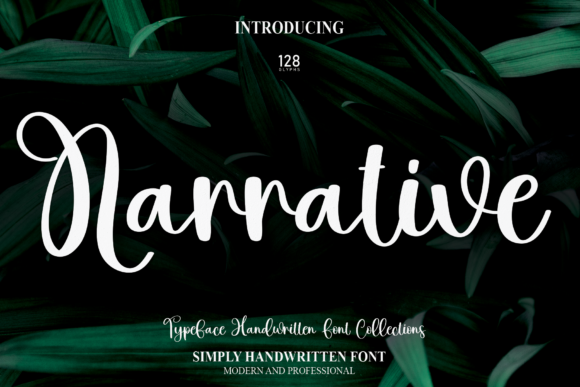
The first thing you notice about Narrative is its fluidity. Unlike many digital scripts that rely on repetitive strokes, this typeface mimics the natural variation of a genuine brush pen. The contrast between thick and thin strokes is pronounced but controlled, giving it a dynamic rhythm that guides the eye smoothly from letter to letter. It carries a mood that is both inviting and upscale, making it an excellent choice for brands that want to appear approachable without sacrificing authority.
In terms of style, it leans towards a modern calligraphic aesthetic. It avoids the overly ornate swashes that can date a design quickly, opting instead for clean terminals and balanced spacing. This makes it a highly adaptable creative font suitable for everything from a bakery's window signage to a creative studio's business card. When I dropped it into a logo concept for the skincare brand, the letters connected seamlessly, creating a cohesive wordmark that felt like a signature rather than a computer-generated graphic.
Performance in Real Branding Projects
A font might look stunning in a specimen sheet, but the real test is how it performs in the wild. I pushed Narrative through a gauntlet of typical branding deliverables to see where it shines and where it might need support.
- Logo Design: This is undoubtedly the strong suit of Narrative. Its distinct character shapes make for memorable logotypes. Whether used as a standalone mark or paired with a simple icon, it commands attention. I tested it on a dark background for a luxury candle label, and the white lettering popped with incredible clarity.
- Packaging and Product Labels: On physical products, legibility is key. I applied the font to a mockup of a serum bottle. Even at smaller sizes, the open counters and clear stroke modulation ensured the brand name remained readable. It adds a tactile, human feel to packaging that resonates well with consumers looking for artisanal quality.
- Social Media Graphics: For Instagram stories and post headers, Narrative acts as a powerful hook. It breaks up the grid of standard sans-serif content, drawing the eye immediately. However, I found it works best for short phrases or headlines rather than long captions.
- Web Design: Using it as a webfont for hero sections creates an immediate emotional connection. I tested it in a homepage banner, and it loaded cleanly with sharp edges on high-resolution displays. It sets a tone of elegance before the user even scrolls down.
Strategic Font Pairing
No script exists in a vacuum. To build a robust brand identity, you need a supporting cast. Because Narrative has such a distinct personality, it pairs beautifully with neutral counterparts. In my recent project, I matched it with a geometric sans serif font for the body copy and subheads. The stark simplicity of the sans serif grounded the flamboyance of the script, creating a balanced hierarchy that felt modern and clean.
Alternatively, if you are aiming for a more traditional or editorial look, pairing it with a classic serif font can add a layer of timeless sophistication. This combination works particularly well for wedding invitations, high-end menus, or magazine layouts where you want to evoke a sense of heritage. The key is to ensure the secondary font does not compete for attention; let Narrative be the star while the supporting typeface handles the heavy lifting of information delivery.
Limitations and Practical Considerations
While Narrative is a fantastic display font, it is important to recognize its limitations. Like most scripts, it is not designed for long-form body text. Trying to set paragraphs in this typeface would result in poor readability and visual fatigue. It is best reserved for headlines, logos, pull quotes, and decorative elements where the text is concise.
Additionally, when working on projects that require extreme smallness, such as legal disclaimers on packaging or intricate footnotes, a simple sans serif is a safer bet. Scripts can lose their definition when shrunk below a certain point, potentially turning into illegible blobs. Always test your final output at 100% scale before sending files to print.
Another practical note for fellow designers: always review the specific file formats and included styles before starting. Check for alternates, ligatures, and swashes that might enhance your design. Many premium scripts come with extra glyphs that allow you to customize the start and end of words for a more unique look. Exploring these features can elevate a standard layout into something bespoke.
Licensing and Commercial Use
Before integrating Narrative into any client work, merchandise, or digital products, it is crucial to verify the commercial licensing terms. Font licenses vary significantly; some allow for unlimited print runs, while others may have restrictions on web embedding or use in logos for resale. If you are creating templates for sale or designing for a print-on-demand service, ensure your license covers these specific use cases. Protecting yourself and your client from legal issues is just as important as the design itself.
In conclusion, Narrative stands out as a versatile and polished addition to any designer's toolkit. It brings a human touch to digital and print media, bridging the gap between personal expression and professional branding. Whether you are refreshing a café's visual identity or launching a new line of handmade goods, this script font offers the stylistic range needed to tell your brand's story effectively.